How to optimise your home automation system for energy savings10 benefits of switching to renewable energy solutions

How to optimise your home automation system for energy savings
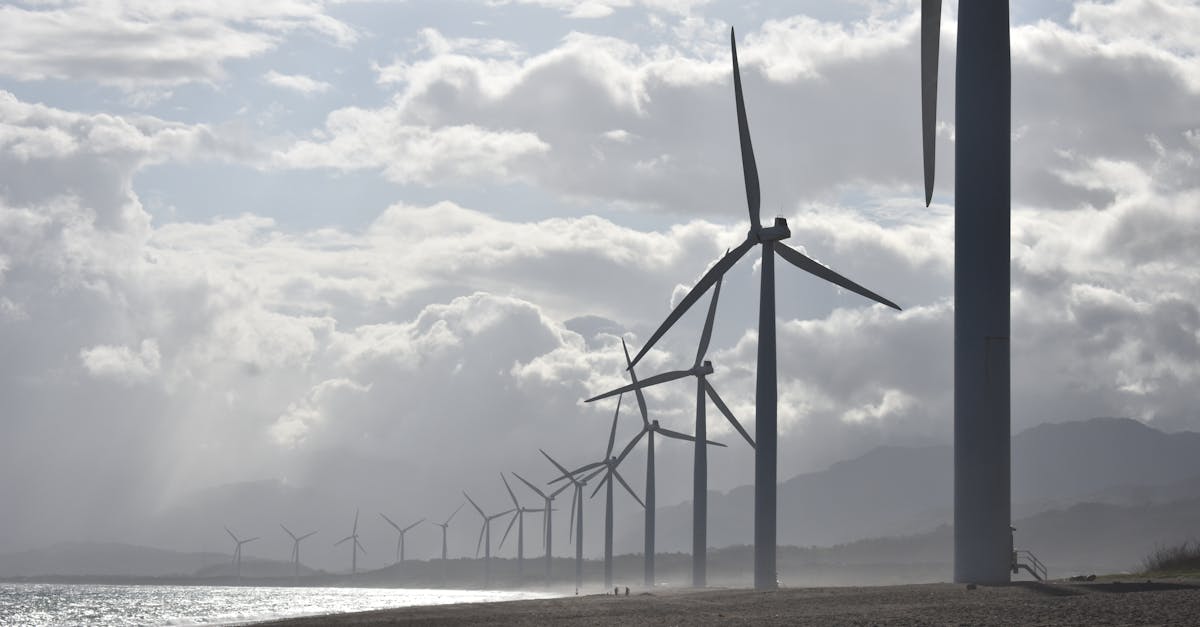
Monitoring Energy ConsumptionTechnological Innovation

Understanding how much energy your household consumes is crucial for optimising efficiency and reducing costs. Regularly tracking energy usage can help identify patterns and highlight areas where savings can be made. Smart meters are an excellent tool for this purpose, providing real-time data on energy consumption. This information allows you to analyse your usage habits and make informed decisions about potential changes to your routines.The shift towards renewable energy has sparked a wave of technological breakthroughs. Innovations in solar panels, wind turbines, and energy storage systems have dramatically improved efficiency and reduced costs. Advances in materials science have led to the development of more effective photovoltaic cells and lighter, stronger turbine blades. These enhancements not only increase the energy yield from renewable sources but also expand their applicability in various conditions.

Energy trackers can further enhance your monitoring efforts by providing detailed insights into your energy consumption across various devices. These devices can differentiate between the energy usage of individual appliances, helping pinpoint which ones consume the most power. Armed with this knowledge, you can adjust your usage accordingly, ensuring you maximise energy efficiency and reduce waste wherever possible.Additionally, smart grid technology plays a pivotal role in optimising the distribution and consumption of renewable energy. This technology allows for real-time monitoring and management of energy flows, enhancing the integration of diverse energy sources. The proliferation of energy management systems and home automation tools makes it easier for consumers to harness and efficiently utilise renewable energy, ultimately contributing to a more sustainable energy landscape.

Using Smart Meters and Energy TrackersAdvancements in Renewable Energy Technologies

Smart meters and energy trackers play a crucial role in understanding your home’s energy consumption patterns. These devices provide real-time data, allowing homeowners to monitor electricity usage throughout the day. By analysing this information, you can identify peak usage times and adjust habits accordingly, potentially leading to significant energy savings. Many smart meters also enable remote monitoring through smartphone apps, offering added convenience and control over your energy consumption.Recent years have seen remarkable progress in the efficiency and viability of renewable energy technologies. Innovations in solar panels, for instance, have dramatically increased their energy conversion rates. Improvements in wind turbine design have led to greater energy capture, allowing for larger-scale installations in even less windy areas. These advancements not only reduce costs but also enhance the reliability of renewable energy solutions across various landscapes.

Energy trackers typically include features that help you compare your usage against past months or similar households. This comparison can highlight areas where energy efficiency can be improved. Furthermore, some trackers can send alerts if your usage exceeds set thresholds, helping you stay proactive about energy management. Regularly reviewing this data not only informs better choices but can also contribute to overall savings on utility bills.Battery storage technology has also evolved, addressing one of the key challenges faced by renewable sources. With better energy storage options, the intermittent nature of solar and wind power can be effectively managed, ensuring a continuous supply of energy. Smart grid technologies further optimise energy distribution, allowing for the integration of diverse renewable sources into the overall energy system. Such developments foster a more resilient and adaptable energy infrastructure, paving the way for a broader adoption of renewables.

Automating Appliances for Energy SavingsIncreased Energy Security

Energy-efficient appliances can significantly reduce consumption when integrated into a home automation system. Smart devices often come with settings that allow users to schedule operation times during off-peak hours when energy costs are lower. For instance, a smart washing machine can be programmed to run during the night, benefiting from reduced electricity tariffs. This not only helps save money but also assists in lessening the carbon footprint from energy use.Switching to renewable energy solutions can enhance a nation's energy independence. By investing in local renewable resources, countries reduce reliance on foreign energy supplies. This shift diminishes vulnerability to geopolitical tensions and supply chain disruptions commonly associated with fossil fuels. In times of crisis, a self-sufficient energy grid can provide stability and ensure reliable access to power for citizens.

Smart plugs offer an additional layer of control for devices that may not be inherently energy-efficient. By connecting everyday appliances, users can monitor usage patterns and set automated timers to turn off devices when they’re not needed. Furthermore, some smart plugs provide real-time data on energy consumption, enabling better decisions about energy use. Incorporating these functions into a home automation system maximises savings while ensuring convenience.The integration of diverse renewable energy sources further strengthens energy security. This diversity allows for a balanced energy mix that can meet fluctuating demands. When one source experiences a shortfall, others can compensate, effectively mitigating risks associated with single-source dependence. A robust renewable energy infrastructure not only encourages local job creation but also improves overall resilience against external shocks.

Smart Plugs and EnergyEfficient DevicesResilience Against Supply Disruptions

Smart plugs offer a versatile solution to enhance energy efficiency in the home. By allowing users to schedule when devices turn on or off, households can eliminate energy waste from appliances that consume power even when not in use. For instance, connecting a coffee machine or a heater to a smart plug enables fine control, ensuring these devices operate only when needed. This simple adjustment can lead to noticeable reductions in energy consumption.The shift towards renewable energy sources enhances a nation's ability to withstand disruptions in supply. Traditional energy systems, often reliant on finite resources, can be severely impacted by geopolitical tensions, natural disasters, or market fluctuations. Transitioning to renewables introduces a diversified energy mix less vulnerable to these risks. Decentralised energy generation, coupled with localised storage solutions, means communities can rely on their renewable infrastructure even when external systems fail.

In parallel, investing in energy-efficient devices plays a critical role in lowering utility bills. Modern technologies, such as LED bulbs and Energy Star rated appliances, have been designed specifically to consume less power without sacrificing performance. Integrating these devices into a home automation system can provide real-time energy usage data, enabling homeowners to make informed decisions about their consumption habits. Together, smart plugs and energy-efficient devices create a more sustainable living environment while offering significant economic benefits.Additionally, renewable energy technologies, such as solar panels and wind turbines, can be implemented on a variety of scales. This flexibility enables regions to adapt more readily to their unique circumstances and needs. For example, microgrids powered by renewables can function independently during larger grid failures, providing essential power to critical services like hospitals and emergency response facilities. Investing in these alternative energy sources not only builds resilience but also promotes self-sufficiency in the face of an unpredictable global energy landscape.

Maximising Insulation and Climate ControlSustainable Energy Supply

Achieving optimal insulation in your home can significantly reduce energy consumption. Proper insulation prevents heated or cooled air from escaping, maintaining a stable indoor temperature with minimal energy use. This can be accomplished through measures such as sealing gaps around windows and doors, adding insulation to walls and attics, and using energy-efficient materials. Homeowners can also benefit from upgrading to double or triple-glazed windows, which offer better thermal performance compared to traditional single-pane glass.The transition to renewable energy sources presents a reliable pathway to ensuring a sustainable energy supply. With resources such as sunlight, wind, and water available in abundance, societies can reduce dependence on finite fossil fuels. This shift not only fosters an ecologically balanced future but also stabilises energy availability by diversifying the energy mix. The integration of various renewable technologies creates a robust infrastructure capable of meeting demand across different sectors.

Incorporating smart technology can further enhance climate control. Smart thermostats allow users to program heating and cooling schedules tailored to their routines, ensuring that energy is not wasted when rooms are unoccupied. Additionally, the use of occupancy sensors can automatically adjust temperature settings based on whether a room is in use. These advancements create a more efficient home environment while providing comfort and reducing utility bills over time.Advancements in energy storage solutions further enhance the prospects for sustainable energy. As the capability to store renewable energy improves, it becomes easier to manage supply during fluctuating demand. This ability to harness energy when it is most abundant and deploy it when needed leads to a more resilient energy framework. Consequently, economies can progress towards self-sufficiency, significantly mitigating the risks associated with resource depletion and environmental degradation.

Using Sensors for Temperature RegulationHarnessing Infinite Resources

Temperature sensors play a vital role in maintaining a comfortable home environment while reducing energy consumption. They can be installed in various rooms to monitor the ambient temperature and communicate with your heating and cooling systems. By ensuring that these systems operate only when necessary, you can avoid unnecessary energy use. These sensors can adapt to changes in the weather, adjusting heating or cooling settings to optimise comfort levels efficiently.Renewable energy sources, such as solar, wind, and hydro, offer a sustainable approach to meeting the world's growing energy demands. These resources are abundant and naturally replenished, unlike fossil fuels which are finite and depleting. Solar panels can generate electricity from sunlight even in overcast conditions. Wind turbines harness the power of moving air to provide clean energy, while hydroelectric systems utilise water flow to produce electricity. Each technology contributes to a diverse energy supply that remains accessible irrespective of location.

Integrating smart thermostats with these sensors enhances energy management further. Homeowners can set specific schedules based on lifestyle patterns, allowing the system to cool or heat spaces only when they are occupied. This level of automation not only improves comfort but also significantly reduces energy bills. By employing this technology, it becomes easier to maintain an ideal indoor environment without the constant need for manual intervention.The feasibility of harnessing these resources lies in their inherent sustainability. Solar energy can be captured almost anywhere on the planet, while wind energy is easily generated in coastal and open areas. This availability contributes to energy independence, as regions can develop their own renewable infrastructure rather than relying on imported fossil fuels. The shift towards renewable energy ensures not only environmental benefits but also the potential for innovations that enhance the efficiency and affordability of harnessing these infinite resources.

FAQSFAQS

What is the best way to monitor my energy consumption?What are the main benefits of switching to renewable energy solutions?

The best way to monitor your energy consumption is by using smart meters and energy trackers, which provide real-time data on your energy usage, allowing you to identify patterns and areas for improvement.The main benefits include technological innovation, increased energy security, and a sustainable energy supply, among others. These advantages contribute to both environmental protection and economic growth.

How can smart plugs contribute to energy savings?How do advancements in renewable energy technologies impact efficiency?

Smart plugs can help save energy by allowing you to schedule when devices turn on or off, monitor their energy consumption, and even remotely control them, reducing unnecessary usage when you're not at home.Advancements in renewable energy technologies enhance efficiency by improving energy conversion processes, reducing costs, and increasing the overall reliability of renewable energy sources.

What role do sensors play in optimising energy use at home?What role does renewable energy play in enhancing energy security?

Sensors play a crucial role in optimising energy use by enabling automated temperature regulation. They can detect when a room is occupied and adjust heating or cooling accordingly, ensuring energy is not wasted in empty spaces.Renewable energy enhances energy security by diversifying the energy supply, reducing reliance on imported fuels, and providing a more stable energy source that is less susceptible to geopolitical tensions.

Are energy-efficient devices worth the investment?Can renewable energy resources really be considered infinite?

Yes, energy-efficient devices are generally worth the investment as they consume less power, which can lead to significant savings on your energy bills over time, while also contributing to a more sustainable home.Yes, renewable resources such as solar, wind, and hydro are considered infinite because they are naturally replenished and can be harnessed continuously without depleting them.

How can I improve my home's insulation through automation?What are some examples of renewable energy solutions?

You can improve your home's insulation through automation by using smart thermostats and climate control systems that adjust heating or cooling based on external weather conditions and your home’s occupancy, ensuring optimal energy efficiency.Examples of renewable energy solutions include solar panels, wind turbines, geothermal systems, biomass energy, and hydroelectric power systems. Each offers unique benefits for energy generation.


Related LinksRelated Links

How to choose the best smart thermostat for energy efficiencyReview of the latest solar power systems available
What are intelligent lighting solutions and how do they save energyThe history of geothermal energy applications in the UK
Roundup of the most effective energy monitoring devicesRoundup of the best renewable energy solutions for homes
Review of the top intelligent lighting solutions availableWhy investing in renewable energy solutions is essential
10 best energy-saving smart home devicesWhy geothermal energy is a sustainable choice for energy savings
The history of smart home technology innovationsWhat to know about hydroelectric power techniques
Why investing in smart home technology pays off in the long runWhat to consider when choosing biomass energy options